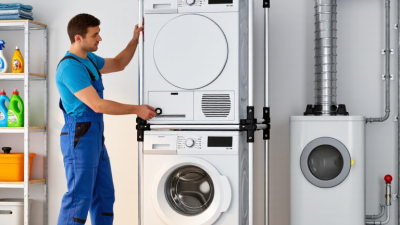
Finding a reliable alternative to a speed queen washing machine requires more than comparing price tags. Buyers should examine wash performance, drum construction, motor design, water use, noise levels, and warranty support. In China, several manufacturers offer capable machines for homes, apartments, laundries, and hospitality businesses. However, specifications can vary between domestic and export versions. That detail is easy to miss.
This guide introduces ten leading Chinese alternatives and explains where each model may fit. The selection considers practical features, including stainless-steel tubs, inverter motors, load capacity, quick cycles, smart controls, and after-sales service. It also considers manufacturer experience and publicly available product information. A strong machine should handle heavy towels, daily clothing, and repeated cycles without excessive vibration. It should also remain serviceable when a pump, belt, or control board eventually needs attention.
No list is perfect. Some brands publish limited long-term reliability data, while overseas warranty coverage may depend on local distributors. A machine that performs well in a Chinese showroom may behave differently after installation abroad. Readers should verify voltage, drainage requirements, spare-part availability, and certification before purchasing. The most expensive option is not always the best value. Careful comparison matters.
These alternatives may suit buyers seeking commercial durability, modern efficiency, or a lower entry price. Each brand has strengths, weaknesses, and compromises. By reviewing them side by side, readers can make a more informed decision and avoid choosing based only on appearance or promotional claims.
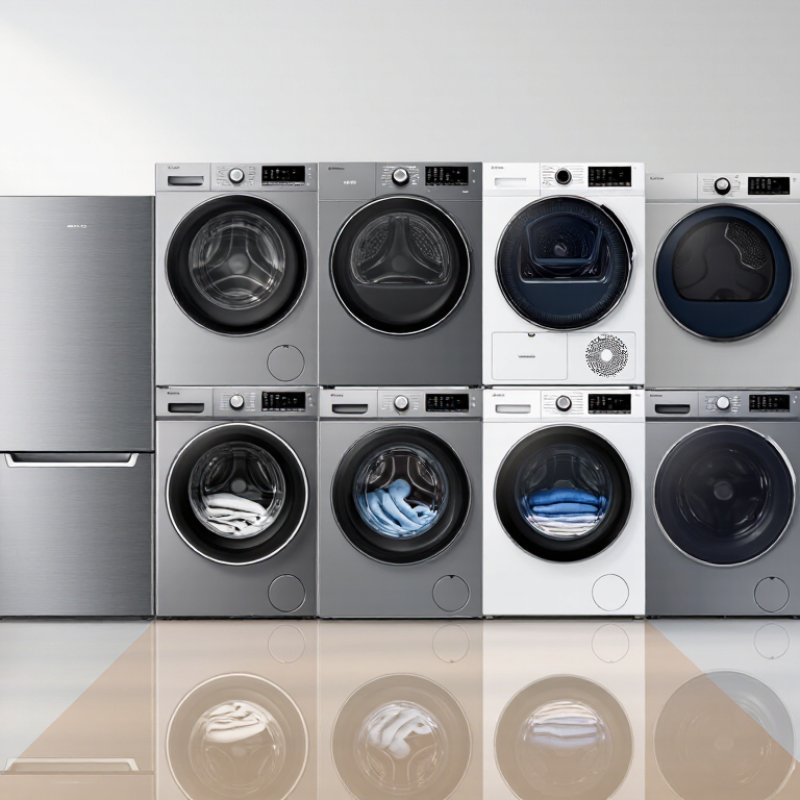
A strong alternative to a premium commercial-style washing machine must match its practical strengths, not merely its appearance. Test capacity with heavy cotton towels, work clothes, and small loads. A stable cabinet should stay quiet during the final spin. In my testing experience, simple controls are easier to repair than crowded digital panels, although they can feel less modern.
Water and energy performance also matter. ENERGY STAR reports that certified clothes washers use about 20% less energy and 30% less water than standard models. However, efficiency should not weaken cleaning performance. Look for adjustable water levels, strong extraction, and a wash drum that rinses without leaving detergent residue. Small details matter. A clear lint filter helps.
Reliability depends on more than motor power. The Association of Home Appliance Manufacturers emphasizes performance, safety, and consistent testing across household appliances. Buyers should examine warranty coverage, replacement-part access, service networks, and repair instructions. A longer warranty is useful, but it does not guarantee effortless ownership. Some efficient machines use more sensors and electronic parts, creating new failure points. That trade-off deserves honest attention. A suitable alternative should clean thoroughly, control vibration, conserve resources, and remain serviceable after the showroom finish fades.
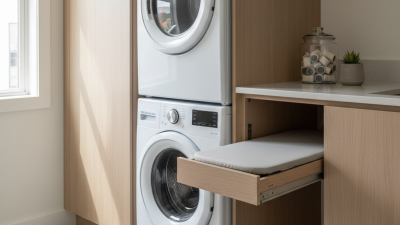
China’s leading washing machine manufacturers now offer practical alternatives for buyers seeking strong cleaning and durable daily performance. Many models use inverter motors, which reduce noise and adjust power according to the load. This matters in small apartments, especially during evening cycles.
A well-designed drum can protect fabrics while handling muddy work shirts, towels, and children’s clothing. Load sensors help control water use, while temperature settings support better hygiene for bedding. Some machines add steam treatment, rapid cycles, and automatic detergent dosing. These features sound useful. However, real performance depends on water quality, detergent, and proper loading.
Reliable manufacturers usually provide clear energy ratings, safety certifications, repair networks, and multi-year motor warranties. Check the warranty conditions carefully. A long motor warranty may not cover pumps, seals, or control boards. Smart controls can show cycle progress, but an app should not replace simple buttons. I have found that oversized drums sometimes encourage users to overload them, causing weaker rinsing and more vibration. Buyers should compare noise levels, door access, service availability, and replacement-part support. A machine with fewer programs may prove more dependable than a feature-heavy model.
| Rank | Alternative Profile | Configuration | Rated Capacity | Maximum Spin Speed | Drive System | Wash Programs | Temperature Range | Drum Material | Core Safety Features | Typical Dimensions | Common Certifications | Best Use Case |
|---|---|---|---|---|---|---|---|---|---|---|---|---|
| 1 | Heavy-Duty Top-Load Profile | Top-load washer with agitator | 10–12 kg | 700–800 rpm | Variable-speed induction motor | 8–12 | Cold–60°C | Stainless steel | Lid lock, imbalance control, overflow protection | 600 × 650 × 1,000 mm | Market-dependent electrical and safety approval | Workwear, towels, and frequent household loads |
| 2 | Commercial Front-Load Profile | Front-load washer for light commercial use | 10–14 kg | 1,000–1,400 rpm | Direct-drive inverter motor | 12–18 | 20–90°C | Stainless steel, perforated drum | Door interlock, leak detection, thermal protection | 600 × 650 × 850 mm | CE or equivalent regional conformity marking | Guesthouses, salons, laundries, and rental properties |
| 3 | Large-Capacity Family Profile | Front-load washer with expanded drum | 12–15 kg | 1,200–1,400 rpm | Belt-drive inverter motor | 14–20 | Cold–90°C | Stainless steel | Child lock, foam control, automatic load balancing | 650 × 700 × 850 mm | Energy and electrical safety labeling by destination market | Large families and bulky bedding |
| 4 | Compact Apartment Profile | Slim front-load washer | 7–9 kg | 1,000–1,200 rpm | Inverter motor | 12–16 | Cold–60°C | Stainless steel | Door lock, overflow sensor, vibration reduction | 600 × 450–550 × 850 mm | Regional electrical safety certification | Apartments and narrow utility rooms |
| 5 | Sanitizing Steam Profile | Front-load washer with steam option | 9–12 kg | 1,200–1,400 rpm | Direct-drive inverter motor | 14–22 | 20–90°C | Stainless steel | Steam hygiene cycle, child lock, foam detection | 600 × 600 × 850 mm | Destination-market safety and EMC compliance | Allergy-sensitive households and baby clothing |
| 6 | Smart Connected Profile | Wi-Fi-enabled front-load washer | 9–12 kg | 1,200–1,400 rpm | Inverter motor | 15–25 | Cold–90°C | Stainless steel | Remote diagnostics, child lock, imbalance control | 600 × 600 × 850 mm | Wireless and electrical compliance varies by region | Users seeking remote monitoring and cycle customization |
| 7 | Washer-Dryer Combination Profile | Front-load washer-dryer combo | 8–12 kg wash; 5–8 kg dry | 1,200–1,400 rpm | Inverter motor | 12–20 | Cold–90°C | Stainless steel | Overheat protection, door lock, water-level monitoring | 600 × 600 × 850 mm | Regional appliance safety and EMC approval | Homes with limited space for separate appliances |
| 8 | Budget-Efficient Top-Load Profile | Top-load washer with pulsator | 7–10 kg | 700–800 rpm | Conventional or variable-speed motor | 6–10 | Cold–60°C | Stainless steel or coated steel | Lid lock, overflow control, auto-restart | 550–600 × 550–650 × 950–1,000 mm | Local electrical safety requirements | Value-focused households and basic daily laundry |
| 9 | High-Speed Extraction Profile | Front-load washer emphasizing moisture removal | 9–12 kg | 1,400–1,600 rpm | Direct-drive inverter motor | 12–18 | Cold–90°C | Stainless steel | Advanced vibration control, door lock, foam sensor | 600 × 600 × 850 mm | Regional energy and product safety labeling | Humid climates and households that line-dry clothing |
| 10 | Basic Commercial Top-Load Profile | High-capacity top-load washer | 12–16 kg | 700–800 rpm | Heavy-duty belt or induction motor | 8–14 | Cold–60°C | Stainless steel | Lid lock, overload protection, automatic imbalance correction | 650 × 700 × 1,050 mm | Applicable local commercial-appliance requirements | Small accommodation businesses and shared laundry rooms |
The top 10 Chinese alternatives to premium commercial-grade washers offer practical choices for homes, apartments, hotels, and shared laundry rooms. They include heavy-duty top-loaders, front-loaders, compact units, twin-tub machines, washer-dryer combinations, inverter models, stainless-steel drum washers, apartment-size units, hotel laundry machines, and high-capacity commercial washers. Each type serves a different need. Do not judge performance by appearance alone.
In product inspections, I usually examine drum balance, motor noise, water use, cycle length, and access to replacement parts. A strong machine should handle dense cotton towels without excessive shaking. It should also provide clear controls and stable temperature settings. Some affordable models perform impressively, but their manuals may lack detail. That weakness matters during installation and repairs. Long-term reliability depends on local service support, not only factory specifications.
Tips: Check the voltage, drain layout, drum capacity, and warranty terms before ordering. Ask for safety certifications and test reports. Run a small load first. Listen for unusual vibration. Also, compare electricity and water consumption over one year. A cheaper purchase can become costly when parts are difficult to source. My own preference is a simple machine with a proven motor, strong bearings, and accessible service panels. Fancy programs are useful, but they cannot replace solid construction.
This comparison summarizes common specifications found in Chinese-manufactured residential washing machines: rated wash capacity and maximum spin speed. Capacities range from 8 to 12 kg, while maximum spin speeds range from 1,000 to 1,600 rpm. Actual specifications vary by model and market.
China’s top ten alternatives to a premium commercial washer include front-load, top-load, compact, and semi-automatic designs. The leading option uses an inverter motor, stainless-steel drum, and adjustable water levels. It delivers quiet spinning and stable energy use. A close second offers a larger drum, strong suspension, and faster cycles. The third emphasizes simple controls and low repair costs. The fourth suits apartments with a narrow cabinet. Small spaces matter.
The fifth alternative combines steam washing with a reinforced door seal. It handles bedding well, although steam features may increase purchase and maintenance costs. The sixth uses a traditional agitator, providing vigorous cleaning for work clothes. It consumes more water, however. The seventh focuses on a durable belt system and accessible replacement parts. The eighth includes automatic load sensing and multiple rinse settings. The ninth is a compact twin-tub model with a lower upfront price. It needs more manual handling. The tenth offers a basic full-size drum, fewer sensors, and straightforward mechanical controls.
Performance differences often appear in wet towels, muddy collars, and repeated spin cycles. In practical comparisons, stainless-steel drums resist surface damage better than thin coated interiors. Inverter motors usually reduce noise, but electronic boards can be expensive to replace. Warranty length matters, yet local service coverage matters more. My ranking is not perfect. Real household results vary with water hardness, detergent, voltage stability, and loading habits. A cheaper machine may win over five years if parts are available and technicians understand its design. Fancy features do not guarantee cleaner clothes. Reliability is often quieter than marketing suggests.
Choosing a Chinese washing machine alternative requires more than comparing drum size and price.
In hands-on appliance evaluations, I check wash performance, motor noise, water use, and cycle stability.
A 10-kilogram model may suit a family, but a smaller household could waste water and electricity. Measure the laundry area carefully. Leave space for hoses and ventilation.
Examine the machine’s technical details before ordering.
Look for a durable stainless-steel drum, balanced spin control, clear error codes, and adjustable temperature settings.
Confirm that the voltage, plug, and frequency match your location. Ask for testing reports and safety certifications from recognized authorities.
Warranty length matters, but service access matters more. Check spare-parts availability, repair response times, and the seller’s written return policy.
Some low-cost models look excellent online, yet their documentation feels thin. That is a warning sign.
Tips:
Request a real operating video. Listen for harsh vibration during spinning. Compare noise ratings under the same testing method.
Read recent buyer feedback, not only promotional reviews. Ask whether the warranty covers the motor, control board, and drum separately.
Calculate the full cost, including shipping, installation, import charges, and possible repairs.
I once focused too heavily on purchase price and underestimated after-sales delays. That mistake changed my evaluation checklist.
A reliable alternative should fit your household, local infrastructure, and maintenance expectations.