2026 Best Washer and Dryer for Global Buyers
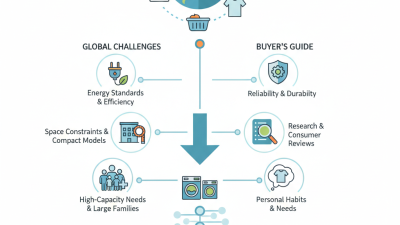
Choosing the best washer and dryer in 2026 requires more than comparing prices or polished product photos. Global buyers face different voltage systems, water pressures, room sizes, climates, and service networks. A reliable washer and dryer must fit your home before it impresses you.
This guide focuses on practical buying evidence. We consider washing performance, drying consistency, energy use, noise, drum capacity, cycle controls, and long-term maintenance. A compact apartment may need a ventless heat-pump dryer, while a large household may prefer separate full-size machines. Check the voltage carefully. Confirm the plug type. Measure every doorway, including the elevator.
Real ownership details matter. A machine that handles muddy work clothes may struggle with delicate fabrics. A quiet model can still vibrate on uneven flooring. Smart controls may be useful, but they should not replace dependable manual settings. Local repair access also deserves attention. A low purchase price means little when one replacement part takes months to arrive.
No single model fits every country or family. That is the uncomfortable part. Manufacturer ratings may use different testing methods, and online reviews often ignore regional installation limits. We will identify those gaps instead of pretending every specification tells the whole story. The strongest choices balance verified performance, credible warranty support, safe installation, and realistic daily use. Consider your habits carefully. Your laundry room will reveal the truth.
Washer and Dryer Types for Different Global Homes
2026 Best Washer and Dryer for Global Buyers
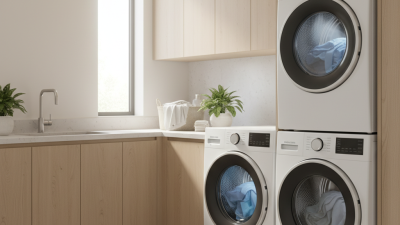
Homes need different laundry designs. A compact front-load washer suits apartments with limited floor space. It usually uses less water than a traditional top-loader. ENERGY STAR reports that certified clothes washers use about 20% less energy and 30% less water than standard models. However, installation quality matters. A poorly leveled machine can vibrate badly on tiled floors.
Large families may prefer a high-capacity top-loader. It handles bulky bedding and often has shorter cycles. Yet, it may consume more water, especially with older wash systems. In dry regions, water efficiency should outrank drum size. For rural homes, semi-automatic washers can be practical when water pressure is unstable. They require more manual handling, but that trade-off is real.
Dryer choice depends on climate and ventilation. Ventless heat-pump dryers suit apartments because they need no exterior exhaust. ENERGY STAR data indicates they use around 28% less energy than conventional dryers. Condenser dryers also avoid wall vents, but they can leave rooms warmer and slower to finish. A washer-dryer combo saves space, though one drum can delay a second load. I like the convenience, but its drying capacity is often smaller. Check voltage, frequency, drainage, door clearance, and local service support before buying. The best specification can still fail in a difficult home.
Key Features to Compare in 2026 Washer and Dryer Models
In 2026, washer and dryer buyers should compare measurable performance, not attractive screens. ENERGY STAR reports that certified washers use about 20% less energy and 30% less water than standard models. Certified dryers use about 20% less energy. These figures matter in homes with high electricity prices or limited water supplies.
Check the energy label carefully. European Commission rules show energy use per 100 cycles, water consumption, program duration, and noise levels. A lower kWh figure can reduce running costs, but shorter programs may use more heat. I compare cotton, mixed-load, and low-temperature settings during testing. Small details matter. A moisture sensor should stop drying before fabrics feel brittle. A clear lint filter also improves daily maintenance.
Global buyers must match voltage, frequency, plug type, and local service access. Water hardness affects detergent performance and scale buildup. In humid regions, strong extraction can reduce indoor drying time. In cold climates, heat-pump drying may need longer cycles. The International Energy Agency’s Energy Efficiency 2024 report highlights efficiency as a major route to lower household energy demand. Still, I would not trust every efficiency claim equally. Test conditions differ, and real laundry loads are rarely perfect. Check independent test data, warranty terms, spare-part availability, and repair guidance before purchase.
Energy, Water, and Smart Technology Standards Worldwide
For global buyers, a washer and dryer should be judged by tested resource use, not attractive cycle counts. ENERGY STAR reports that certified clothes washers use about 20% less energy and 30% less water than conventional models. Certified dryers also use approximately 20% less energy. These figures matter in homes with high electricity prices or limited water supply. Check consumption per cycle, not only the efficiency class.
Standards still vary. The European Union’s Ecodesign rules require washing machines to show energy use, water use, programme duration, and repair information. The IEC 60456 standard supports comparable washer performance testing worldwide. However, labels are not perfectly equivalent across regions. A machine tested on an eco programme may perform differently with cold, hard, or recycled water. That detail is easy to miss.
Smart technology can improve efficiency through load sensing, moisture detection, leak alerts, and usage reports. It can also encourage unnecessary remote cycles. Small point. Connected features may increase standby consumption, especially when settings are poorly configured. Buyers should look for low standby power, replaceable parts, clear maintenance alerts, and long-term software support. The International Energy Agency’s Energy Efficiency 2024 analysis stresses that efficient appliances reduce demand most effectively when households use them correctly. A highly rated machine still wastes water when overloaded, while a heat-pump dryer may need longer cycles. That trade-off deserves honest attention.
2026 Best Washer and Dryer for Global Buyers
The chart uses a resource-use index where a conventional appliance is set to 100. Efficient washers use approximately 20% less energy and 30% less water, while certified heat-pump dryers use approximately 28% less energy than conventional dryers.
Source: U.S. Environmental Protection Agency ENERGY STAR, Clothes Washers and Dryers efficiency guidance. Actual performance varies by capacity, cycle, climate, voltage, and regional testing standards.
How to Choose Capacity, Installation, and Power Compatibility
2026 Best Washer and Dryer for Global Buyers
How to Choose Capacity, Installation, and Power Compatibility
Choosing a washer and dryer for international use starts with household habits, not the largest drum. A two-person home may manage well with an 8-kilogram washer, while a larger family often needs 10 to 12 kilograms. The dryer should handle a similar load, but bulky towels need extra room. Bigger is not always better. An oversized drum can waste water and electricity when used half-empty.
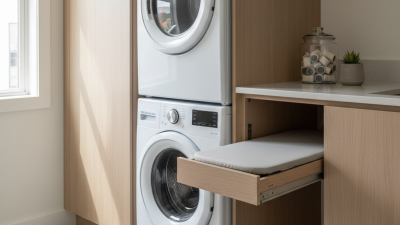
Measure the installation area carefully. Record width, depth, height, door swing, and clearance for hoses. A stacked pair saves floor space, but the wall and floor must support its weight. Check whether the dryer needs outdoor venting, or choose a ventless design for apartments. Drain height matters too. A small mistake here can cause slow draining or leaks. It happens more often than people expect.
Power compatibility requires serious attention. Confirm the local voltage, frequency, plug shape, and circuit rating before purchase. Many regions use around 220–240 volts, while others use around 110–120 volts. A travel adapter changes the plug shape, not the voltage. Some dryers also require a dedicated circuit because heating elements draw substantial power. Have a qualified local electrician inspect the outlet when specifications are unclear. Manuals can be incomplete across markets, so verify the product label and local safety certification. Availability of replacement parts should also influence the decision. A cheaper machine becomes less practical when a basic pump takes months to source.
Maintenance, Safety, and Long-Term Ownership Considerations
2026 Best Washer and Dryer for Global Buyers
Long-term ownership starts before installation. Check voltage, frequency, water pressure, drain height, and service access. A machine suited to one country may perform poorly elsewhere. Hard water can leave scale inside valves and heating parts. A simple inlet filter may help, but it needs regular cleaning.
Clean the washer gasket and detergent drawer every month. Leave the door slightly open afterward. This reduces trapped moisture and unpleasant odors. Inspect supply hoses for bulges, cracks, or rusted fittings. Do not overload the drum. Vibration stresses bearings, flooring, and connections. The U.S. ENERGY STAR program reports that certified clothes washers use about 20% less energy and 30% less water than standard models. Efficiency still depends on correct loading and temperature settings.
The dryer deserves stricter attention. Clean the lint filter after every cycle. Inspect the exhaust path, because a clear filter does not guarantee clear airflow. NFPA reported 15,970 home fires involving clothes dryers and washing machines from 2010 to 2014, with dryers responsible for most incidents. Keep the area free from paper, aerosols, and stored fabrics. Follow local electrical requirements and applicable IEC 60335 safety guidance. A quiet machine can still have a restricted vent. Even careful owners miss that. Annual professional inspection may be worthwhile in humid homes, rental properties, or high-use households.