What Is a Washer Dryer and How Does It Work?
A washer dryer combines washing and drying in one appliance, or pairs two machines in a single stacked unit. The distinction matters. In this guide, “washer dryer” refers mainly to an all-in-one machine that washes and dries clothes in the same drum. You add detergent, choose a cycle, and remove dry laundry without transferring the load. That sounds simple.
Inside, the washer uses water, detergent, and a rotating drum to loosen soil from fabric. During drying, the appliance removes moisture using either a vented system or a condenser-based process, depending on the model. Some newer units use heat-pump technology. The exact steps and cycle times vary, so the manual is the best source for model-specific instructions. A thick towel load may take much longer than a few lightweight shirts.
Understanding the process helps set realistic expectations. Combined machines can save floor space and reduce handling, which is useful in a small apartment or laundry closet. However, drying capacity is often lower than washing capacity, and a full wash load may need to be split before drying. Space matters. Routine care also affects performance: clean the lint filter or condenser as directed, and leave the door open briefly if the manufacturer recommends it. Not always convenient. We’ll look at the main components, cycle stages, benefits, and limitations so you can judge whether a washer dryer fits your home and laundry habits.
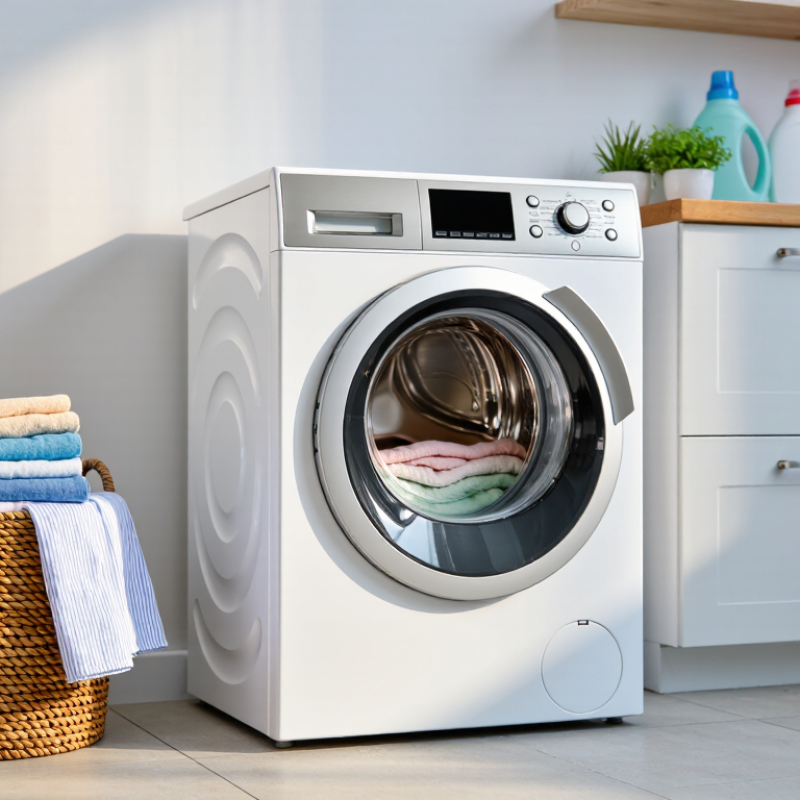
What a Washer Dryer Is and How It Combines Two Appliances
A washer dryer is a single laundry machine that washes and dries clothes inside one cabinet. It combines a washer’s drum, water system, and detergent compartment with a dryer’s heating and airflow parts. You load garments once, select a cycle, and avoid moving wet laundry between separate machines. That can help in small homes, though one combined unit may take longer to finish a full load.
During washing, the drum tumbles clothes with water and detergent, then drains and rinses them. For drying, many models use heated air and condensation: moisture leaves fabrics, cools into water, and drains away. Some models use other drying systems, so check the manual for the exact cycle behavior. Wash capacity and dry capacity can differ. A drum filled for washing may need a smaller load to dry evenly. This is easy to overlook when planning laundry. Heavy towels can emerge slightly damp if packed too tightly, even when the display says the cycle is done.
Tips: Leave space around garments and clean the lint or filter area as directed. Use the drying capacity listed in the manual, not just the washing capacity. If clothes feel damp, try a smaller load; sensor readings are not perfect.
How the Washing Cycle Cleans Clothes
What Is a Washer Dryer and How Does It Work?
How the Washing Cycle Cleans Clothes
A washer dryer combines washing and drying in one cabinet. During washing, the drum rotates clothes through measured water and detergent. The movement loosens skin oils, dust, and food residue from fabric fibers. Small openings in the drum lift garments, then drop them through the wash liquor. This repeated action creates friction without aggressive scrubbing.
Water temperature changes the cleaning balance. Warmer water can dissolve greasy soils more effectively, while cooler cycles help protect colors and reduce energy use. Detergent contains surfactants that surround oily particles and suspend them in water. Rinsing then carries those particles away. The spin cycle forces out water through centrifugal motion, preparing clothes for drying.
ENERGY STAR reports that certified clothes washers use about 20% less energy and 30% less water than standard models. That efficiency depends on correct loading and detergent dosage. Overloading can leave dark patches near seams. Too much detergent may create foam and trap residue. The estimate is useful, but real household results vary. I have found that a half-full drum often cleans better than a tightly packed one. Sensors may adjust water levels, yet they cannot fix poorly sorted laundry or blocked fabric surfaces. After spinning, the drying section uses heated air or condensation to remove remaining moisture.
What Is a Washer Dryer and How Does It Work?
A washer dryer combines washing and drying in one appliance. During the washing cycle, water, detergent, drum movement, rinsing, and spinning work together to remove soil and excess moisture from clothes.
Chart: Representative time allocation for a 45-minute washing cycle. Actual times vary by load size, fabric type, soil level, and selected program.
Common Washer Dryer Types and Their Differences
A washer dryer combines washing and drying in one cabinet. It fills, tumbles, drains, and dries clothes without moving them between machines. The main types are vented, condenser, and heat-pump washer dryers. Their differences matter most in installation, drying speed, energy use, and fabric care.
Vented models push warm, moist air outdoors through a duct. They can dry quickly, but they require suitable ventilation. Condenser models collect moisture in a tank or drain system. They fit more homes, although drying may take longer. Heat-pump models reuse warm air inside the drum. According to ENERGY STAR, certified heat-pump dryers use about 28% less energy than conventional electric dryers. That advantage can reduce household energy demand, but purchase cost and cycle length still deserve attention.
Combination machines use one drum for both tasks. This saves floor space and avoids transferring wet laundry by hand. However, the drying capacity is often smaller than the washing capacity. A full wash load may need two drying cycles. The U.S. Department of Energy notes that efficient clothes washers can use about 20% less energy and 30% less water than standard models. Actual savings depend on load size, temperature, and user habits. The categories overlap, and simple comparisons can mislead. I would check ventilation, drainage, drum capacity, and average drying time before choosing. Small rooms reward compact designs. Busy households may prefer separate machines for faster turnaround.