10 Essential Tips for Choosing a Small Stackable Washer and Dryer Setup?
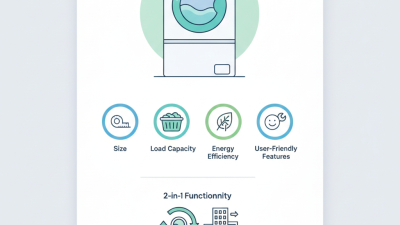
Choosing the right small stackable washer and dryer can be a game-changer for small living spaces. These units are designed to maximize efficiency, but selecting the perfect one requires careful consideration. Features like size, capacity, and energy efficiency play crucial roles in your decision-making process.
Picture your laundry routine transformed by having a small stackable washer and dryer in your home. It could be a breeze to do your laundry without taking up unnecessary space. However, not all options are created equal. Some models can be noisy or less efficient than advertised. Assessing user reviews is essential to uncover the reality behind the specs.
With so many choices available, it’s easy to feel overwhelmed. Measuring your space ensures your new appliance fits seamlessly. Also, consider your laundry habits and how often you wash. Pay attention to details like water and energy consumption. Reflect on how a small stackable washer and dryer can simplify your life, yet choose wisely.
Understanding Your Laundry Needs and Space Constraints
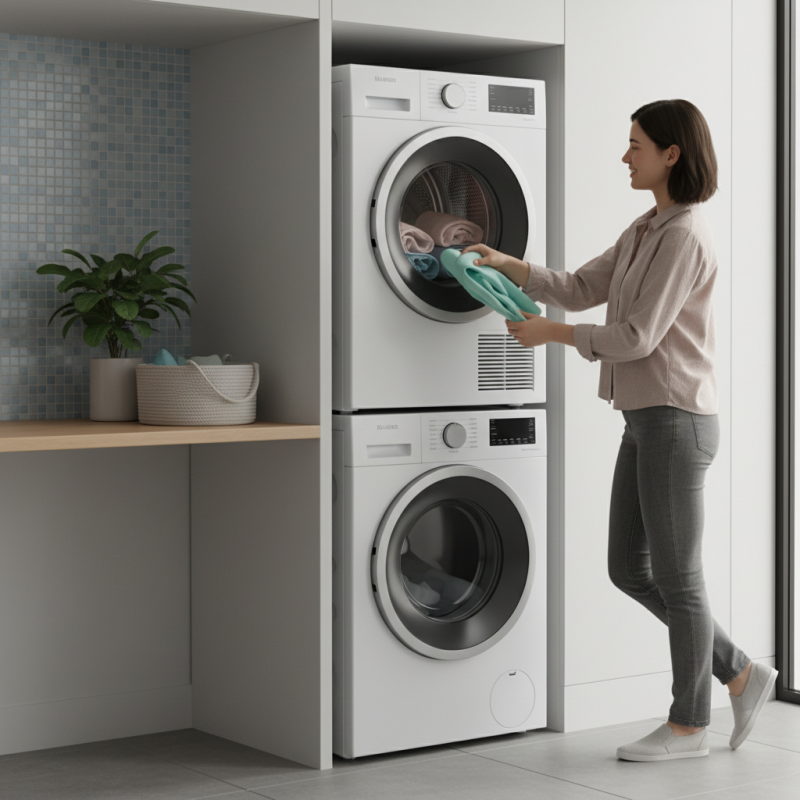
When choosing a small stackable washer and dryer, understanding your laundry needs is crucial. Identify how often you do laundry. A large household may require a more robust setup. In contrast, a smaller family might manage with a compact unit. Consider the types of fabrics you wash. Delicate items require gentle cycles. Heavily soiled clothes need a machine that can handle tough stains.
Space constraints significantly impact your choice. Measure the area where the unit will be placed. A small laundry nook might limit your options. Pay attention to door swing and ventilation. Not all models fit easily in tight spots. Sometimes, you might overlook necessary adjustments. It's important to plan ahead and visualize the arrangement.
Think about the features that matter most. Do you need a quick wash option? Is energy efficiency a priority? Explore different designs to find one that suits your style. Remember, the first choice may not always be the best fit. You might need to return to the drawing board if something doesn’t work. Reflect on the unique challenges of your space.
Evaluating Size and Dimensions of Stackable Washer and Dryer Units
When selecting a stackable washer and dryer setup, size and dimensions are crucial. Consider the space you have. Many apartments or small homes limit laundry room size. According to industry reports, a standard stackable unit typically measures around 27 inches in width and 75-80 inches in height. However, these measurements may vary. It's essential to verify the dimensions of your chosen area and the appliances themselves.
A common mistake is underestimating the required space for ventilation and access. Manufacturers recommend a few inches of clearance around the units. This space ensures proper airflow and ease of use. Keep in mind the door swings and hoses that need room to function. An ideal unit should fit snugly but also allow some wiggle room.
Additionally, many consumers overlook the weight capacity of these machines. Industry data reveals that stackable washers generally hold 3.5 to 5.0 cubic feet of laundry. Improperly loading them can lead to malfunctions and early wear. Measure your laundry load needs, and consider discussing it with sales associates for a tailored fit. Mindfulness in your selection process can save you from future inconveniences.
Comparison of Stackable Washer and Dryer Dimensions
Comparing Energy Efficiency Ratings for Optimal Performance
When considering a small stackable washer and dryer, energy efficiency is crucial. According to the U.S. Department of Energy, newer models can use up to 50% less energy compared to older ones. This leads to significant savings on utility bills over time. When analyzing energy efficiency ratings, look for the Energy Star label. These appliances meet strict efficiency guidelines.
Tip: Check annual energy consumption. It provides insight into how much energy the machine will use in a year. Often, models with higher ratings may cost more upfront, but the long-term savings can justify the price.
Another important factor is water usage. The average American household uses around 300 gallons of water per day. Opting for a washer with lower water consumption can greatly reduce your overall environmental impact. Some models use advanced technology to manage water levels effectively.
Tip: Review customer feedback. Real experiences can highlight potential performance issues. Failing to consider this can result in unmet expectations. The upfront research pays off when you find an efficient and reliable setup that meets your laundry needs.
10 Essential Tips for Choosing a Small Stackable Washer and Dryer Setup
| Feature |
Model A Energy Efficiency Rating (kWh/year) |
Model B Energy Efficiency Rating (kWh/year) |
Model C Energy Efficiency Rating (kWh/year) |
| Wash Cycle Duration (minutes) |
30 |
28 |
32 |
| Drying Time (minutes) |
45 |
40 |
50 |
| Water Consumption (gallons/load) |
15 |
13 |
16 |
| Noise Level (dB) |
56 |
54 |
58 |
| Capacity (cu. ft.) |
2.2 |
2.3 |
2.1 |
| Price ($) |
899 |
950 |
850 |
Budget Considerations and Long-term Cost Analysis for Your Setup
When considering a small stackable washer and dryer, budget plays a crucial role. Analyze your finances carefully. Look beyond the upfront cost. Installation fees, maintenance, and energy consumption can add up over time. Remember, a cheaper model may lead to higher electricity bills. Invest wisely.
Think about your laundry habits. Do you wash often or only occasionally? This affects the long-term cost. Choose a unit that meets your needs. Models may differ in efficiency and water usage. Calculate how much you spend annually on laundry services if you opt for public facilities. The savings from owning your own setup may surprise you.
Finally, consider the space you have available. Stackable units can save room, but don’t rush your decision. Measure your area before purchasing. Remember also that features matter. Options like quick wash or energy-saving modes can greatly impact utility costs over time. Balance initial affordability with long-term practicality for the best outcome.